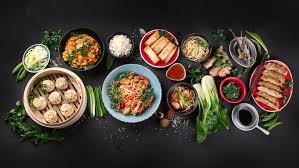
Asian cuisine is one of the most diverse and flavorful in the world, offering a wide array of dishes that reflect the continent’s rich history, geography, and cultural traditions. From the spicy curries of South Asia to the delicate sushi of East Asia, the variations in Asian food are both vast and fascinating. This guide explores the unique characteristics of different Asian cuisines while highlighting why they are so popular globally.
1. East Asian Cuisine: Simplicity and Balance
East Asian food, including Chinese, Japanese, and Korean cuisines, is known for its balance of flavors—sweet, sour, salty, bitter, and umami.
- Chinese cuisine offers regional diversity, from spicy Sichuan dishes to Cantonese dim sum.
- Japanese food emphasizes freshness and presentation, featuring sushi, ramen, and tempura.
- Korean cuisine is famous for fermented foods like kimchi and bold flavors in dishes like bibimbap and barbecue.
2. South Asian Cuisine: Spices and Aromatics
South Asian cuisine, particularly from India, Pakistan, and Bangladesh, is characterized by the extensive use of spices and herbs.
- Rich curries, biryanis, and tandoori dishes dominate the region.
- Ingredients like turmeric, cumin, coriander, and cardamom create deep, complex flavors.
- Vegetarian options are abundant, making it one of the most diverse plant-based cuisines.
3. Southeast Asian Cuisine: Fresh and Vibrant
Countries like Thailand, Vietnam, Indonesia, and Malaysia offer cuisine that is fresh, aromatic, and vibrant.
- Thai food balances sweet, sour, spicy, and salty flavors.
- Vietnamese dishes often feature fresh herbs, rice noodles, and light broths like pho.
- Indonesian cuisine is known for bold spices and dishes like nasi goreng.
4. Central Asian Cuisine: Hearty and Traditional
Central Asian food, including cuisines from Kazakhstan and Uzbekistan, focuses on hearty, meat-based dishes.
- Staples include lamb, bread, and dairy products.
- Popular dishes like plov (rice pilaf) are rich and filling, reflecting nomadic traditions.
5. Middle Eastern Influences: A Fusion of Flavors
Often considered part of Western Asia, Middle Eastern cuisine blends spices, grains, and grilled meats.
- Dishes like kebabs, hummus, and falafel are widely enjoyed.
- Olive oil, garlic, and lemon are key ingredients that enhance flavor and freshness.
Why Asian Food is Popular Worldwide
- Diversity: Each region offers unique flavors and cooking techniques.
- Health Benefits: Many dishes emphasize fresh ingredients, vegetables, and balanced nutrition.
- Cultural Experience: Asian cuisine provides insight into centuries-old traditions and lifestyles.
Conclusion
Asian food variation is a testament to the continent’s cultural richness and culinary innovation. Whether you enjoy spicy curries, savory noodles, or fresh sushi, there is something in Asian cuisine for every palate. Exploring these diverse flavors not only satisfies your taste buds but also offers a deeper appreciation of global food culture.